Updated · 11 min read
How to rent out commercial space in NYC: a landlord's checklist
The short answer
You can rent out a store, office or warehouse in New York yourself: leasing your own property needs no broker and no license. First check what the space can legally be used for, then price it from nearby asking rents and the city's income figures. Reach tenants with a sign in the window, online listings and the brokers who represent tenants. You can list the same space on several sites at once, although an exclusive agreement with a leasing broker usually hands the marketing to that broker. Before you sign, check the tenant's finances and have an attorney review the lease. Afterwards the city expects yearly filings: the income and expense statement if your property needs one and, for a ground- or second-floor storefront, the Storefront Registry (Local Law 157). Owners of class 2 and class 4 properties also report their vacant storefronts twice a year.
You can list it free on Leasemark: no fee, no commission and no exclusive, so the same space can stay on LoopNet or Crexi too. Each listing is matched against every active requirement that tenants and their brokers post, and contact details are shared only when both sides accept an intro.
If you are the listing broker, the same steps apply to a space you represent: price it, put a sign in the window, get it in front of tenant reps and list it wherever your agreement with the owner allows. Leasemark takes no exclusive and no co-broke split, so a space you have on LoopNet or Crexi can go here too, starting from the restaurant or retail preset. With several spaces, upload your sheet or a CoStar or LoopNet export, up to 50 a file, and see which of the tenant requirements on the board each one fits.
Who is this checklist for?
Big New York landlords have leasing teams, outside brokers and a standard lease on file. Most of the city's commercial space is owned by people who have none of that: the owner of a mixed-use building with a store on the ground floor, a family that holds one loft floor, a business that bought its warehouse and now has more room than it needs. When a tenant leaves, they have to find the next one themselves, and they may do it once every five or ten years.
This checklist walks through the steps in the order they come up: what you are allowed to rent the space for, what to ask, how to get it in front of tenants, how to pick one, what goes in the lease and what you have to file with the city afterwards. It is general information, not legal or tax advice. Have a New York real estate attorney draft or review the lease.
1. What exactly are you renting?
The legal use. A tenant can only use the space for what the building's certificate of occupancy (CO) and the lot's zoning allow. Look up the CO on the Department of Buildings' online records before you talk to anyone, because a tenant's architect will. Buildings put up before 1938 often have no CO; the Department of Buildings does not require one unless later work changed the building's use, exits or occupancy, and it can issue a Letter of No Objection that confirms the legal use. The zoning district is on the city's zoning map, and for large buildings it is on our building pages along with size, floors and year built.
Uses that need more than a lease:
- Restaurants and bars need a use the zoning and CO allow, plus gas, electrical capacity and usually an exhaust flue. A space where 75 or more people will gather also needs a Place of Assembly permit from the Department of Buildings.
- Medical and other licensed uses may have their own building requirements. Ask what the tenant's regulator needs before you agree to a use clause.
The size you will quote. NYC office space is usually quoted in rentable square feet, which adds a share of the building's common areas to the space a tenant actually uses. Pick a measurement, write down how you got it and quote it consistently. The guide to rentable vs usable square feet explains the loss factor tenants will ask about. For a store, frontage, ceiling height and any basement matter as much as the total.
Open violations and permits. Tenants and their architects look up a building's open Department of Buildings violations and permits before signing, since some can slow down their own build-out permits. Clear what you can before you market the space.
2. What rent should you ask?
Commercial rent in New York is quoted per square foot per year. $60 per square foot on 2,000 SF is $120,000 a year, or $10,000 a month. The commercial rent calculator does the conversion, and adds yearly increases, free rent and a tenant improvement allowance to show the net effective rent of an offer.
To find the number, start with what similar spaces nearby are asking: listings in your neighborhood, the availability boards of local brokers and, for a store, the "for rent" signs on your own block. Then check it against what buildings actually collect. Every year owners of income-producing property file their income with the Department of Finance, and Finance publishes the distribution. The medians for 2024, in gross income per square foot a year, by type of building:
| Borough | Office | Retail | Industrial |
|---|---|---|---|
| Manhattan | $52.08 | $64.71 | $19.08 |
| Brooklyn | $31.54 | $33.16 | $19.04 |
| Queens | $31.30 | $36.08 | $21.00 |
| Bronx | $31.39 | $33.65 | $18.31 |
| Staten Island | $26.23 | $29.60 | $16.01 |
| Citywide | $39.05 | $36.07 | $19.39 |
Source: NYC Department of Finance, FY 2027 RPIE 2024 Income and Expense Distributions (January 2026). These are what whole buildings collected over the year, including vacant space, free rent and leases signed years ago. They are not asking rents, and a new lease in a good location can be far above them. Manhattan's industrial figure rests on only 49 filings. Our neighborhood lease pages show the figure for their borough next to everything else we know about the area.
Three choices change the rent as much as the number itself:
- Concessions. Months of free rent and a tenant improvement allowance lower what the lease is worth without lowering the rent on paper. Decide in advance what you will give for a longer term.
- Gross or net. Say who pays real estate tax increases, operating cost increases, electricity and repairs. The guide to gross vs net leases covers the common structures in New York.
- The tenant's Commercial Rent Tax. Tenants in Manhattan south of 96th Street whose base rent is $250,000 a year or more pay the city's Commercial Rent Tax, an effective 3.9% of base rent before credits. Larger Manhattan tenants will budget for it, so it affects what they can pay you. The Commercial Rent Tax calculator works out the amount.
3. How do you get the space ready to show?
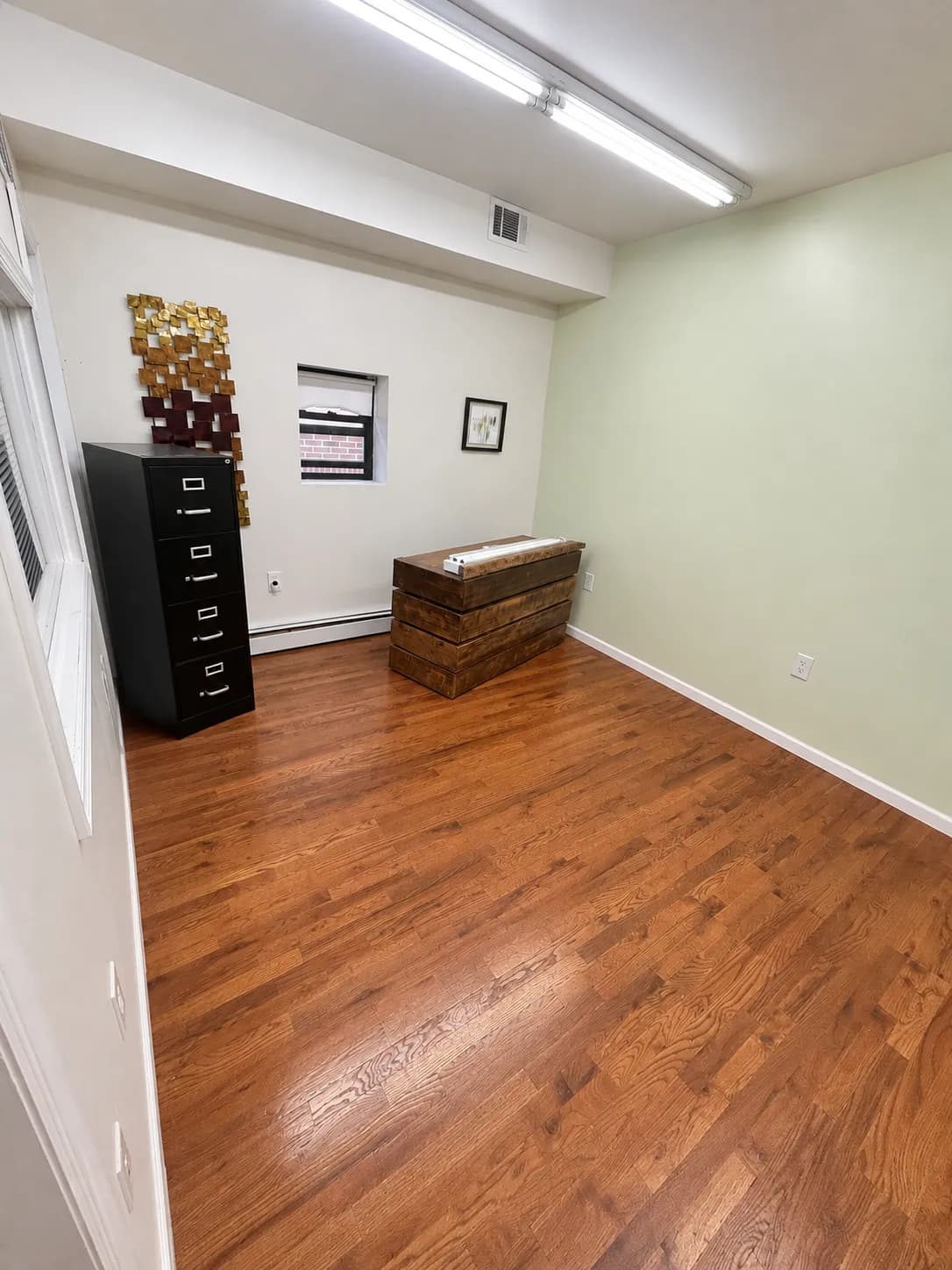
- Make it easy to picture. Clean, empty, lights and heat working. Remove the last tenant's fixtures you are not offering.
- Take photos in daylight from the door and from each corner, plus the street front and the entrance. Wide, level and bright beats dramatic.
- Have a floor plan with dimensions. A simple measured drawing answers most first questions.
- Write down the facts tenants filter on: square feet, floor, ceiling height, frontage, electrical service, gas, venting, sprinklers, freight elevator or loading dock, step-free access and the date it is available.
- Decide on the delivery condition. As is, cleaned out, or built to a standard finish, and whether you will do work for the tenant or give an allowance instead.
4. How do you find tenants for commercial space?
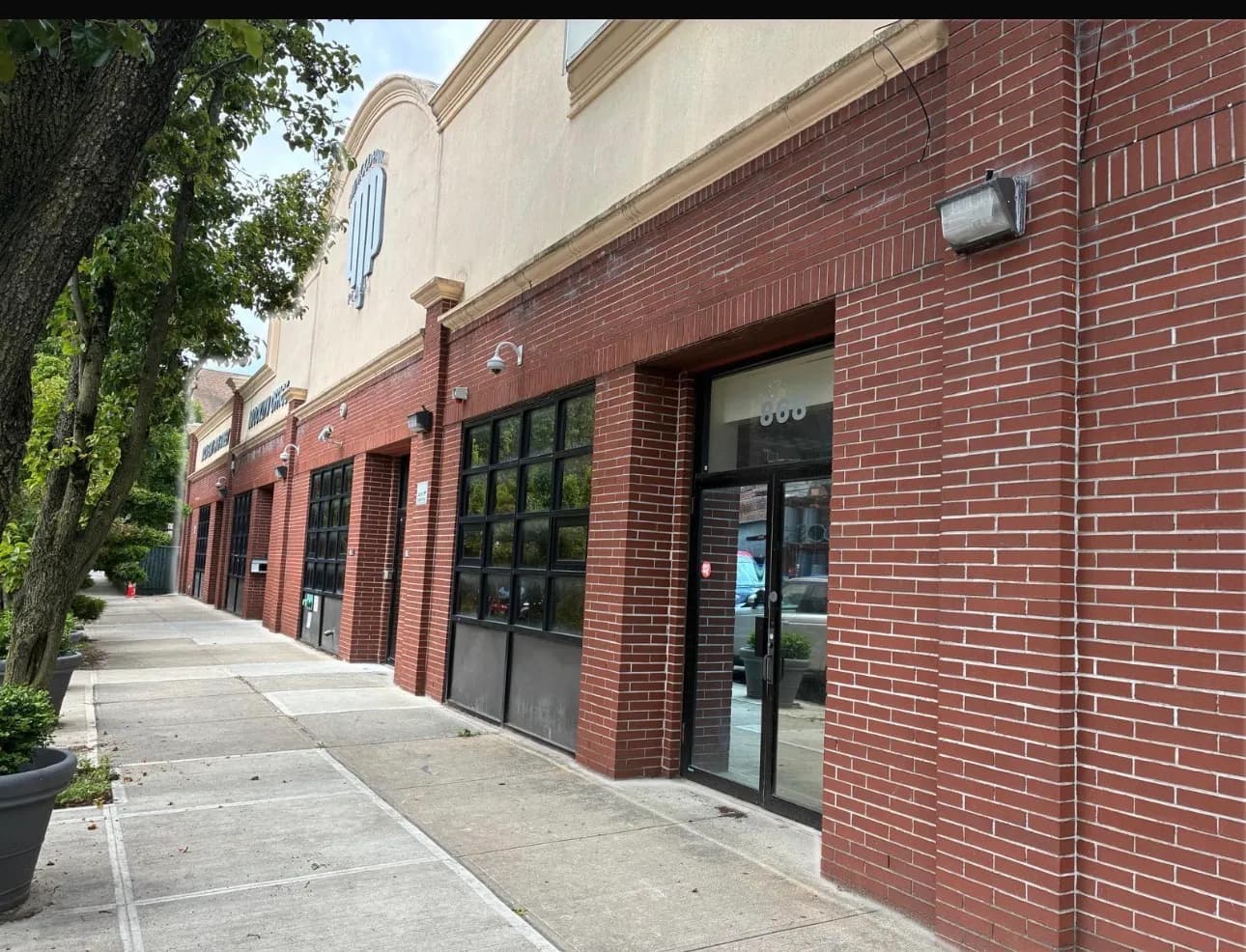
A sign in the window. For a store, a clear sign on the glass still finds a lot of tenants, because the people who want your block walk past it. Put a phone number or a link on it that someone will answer.
List it online. On Leasemark, listing a space is free and stays free, with no commission. Paste the text of an existing flyer or email, or choose the PDF, and the form fills itself in. Owners with several spaces can import a spreadsheet of up to 50 at once. Each listing is matched against the space requirements tenants and their brokers post, with a score and the reasons behind it. When a tenant asks for an intro, or you ask for one, contact details are exchanged only after both sides agree. From your listing you can also print a window sign with a QR code that opens the listing. Leasemark is a marketplace, not a brokerage, and takes no share of the deal.
Hire a broker, or work with tenants' brokers. A leasing agent with an exclusive listing agreement will price, market and show the space and negotiate the deal. In New York the landlord customarily pays the brokers on a direct lease, including the broker who brings the tenant; the guide to tenant rep brokers shows how a typical commission is figured. Decide before you market whether you will pay a tenant's broker, and on what terms, because many tenants of any size use one. You do not need a license to lease your own property, but anyone you pay to find a tenant must hold a New York real estate license, and you can check one in the Department of State's license search.
5. How do you choose the right tenant?
A vacant space costs you rent every month, but a bad tenant costs more: unpaid rent, a long court case and damage to fix before you can lease it again. Before you sign:
- Ask for the numbers. Two or three years of financial statements or tax returns for an established business, a business plan and funding for a new one, and bank and landlord references.
- Match the use to the building. Hours, noise, odors, deliveries and loads should work for the other occupants, the CO and the floor.
- Look at who actually signs. Most tenants lease through an LLC or corporation with few assets of its own. If the entity is thin, ask for a personal guaranty, a larger deposit or a letter of credit. The guide to good guy guarantees explains the limited guaranty many New York office and retail tenants offer, and what changed in 2025.
- For a bar or restaurant, check whether it needs a liquor license and how likely one is. A new full on-premises license cannot be issued within 500 feet of three or more places that already hold one unless the State Liquor Authority finds it in the public interest after a hearing. Our restaurant lease pages show how crowded each neighborhood is.
6. How do you put the deal in writing?
Most deals start with a letter of intent or term sheet that settles the business points: rent and increases, term, free rent, the work or allowance, the deposit, the guaranty, the use clause, renewal options, who pays tax and operating cost increases, and whether the tenant may assign or sublet. The lease then turns those points into binding terms. Many Manhattan office leases start from the Real Estate Board of New York's standard form, and retail leases add terms on percentage rent, exclusives, operating hours and signs that the guide to retail lease terms walks through.
A few points owners new to commercial leasing tend to miss:
- The security deposit is not yours. New York's General Obligations Law (section 7-103) requires a deposit for the rental of real property, commercial space included, to be held in trust and not mixed with your own money. If you put it in a bank, you must tell the tenant in writing the bank's name and address and the amount.
- The use clause works both ways. A narrow use protects your other tenants and the building; a broad one makes the lease easier to assign if the tenant's business changes.
- Insurance. Require the tenant to carry liability insurance that names you as an additional insured, and check the certificate every year.
- Assignment and subletting. Decide whether you want consent rights, a share of any sublease profit or the right to take the space back. The guide to subleasing office space shows how this plays out from the tenant's side.
7. What does the city require landlords to file?
Two annual filings with the Department of Finance catch new commercial landlords by surprise:
- The RPIE statement. Owners of income-producing property with an actual assessed value above $40,000 must file a Real Property Income and Expense statement, or a Claim of Exclusion, every year, due June 1. Exclusions include residential buildings with 10 or fewer apartments and class 1 or 2 properties with six or fewer apartments and no more than one commercial unit. Filing is electronic.
- The storefront registration (Local Law 157). Owners of ground- or second-floor commercial space that is visible from the street and open to the public register it every year. For class 2 and class 4 properties it goes in with the RPIE statement, and owners excluded from the RPIE statement still have to file it. It reports each storefront's lease dates, rent per square foot, concessions, owner occupancy and vacancy; those owners also file supplemental reports of vacancies as of June 30 (due August 15) and December 31 (due February 15). In class 1, only designated properties in commercial districts file, and only if the space was vacant or owner-occupied for any days during the previous year. Late or missing registrations can draw the same penalties as a missing RPIE statement.
These filings are where the city's storefront vacancy figures on our retail pages come from. Check the current year's dates on the Department of Finance website, since Finance sometimes moves them.
The checklist
- Confirm the legal use: certificate of occupancy (or the pre-1938 rules), zoning, open violations.
- Measure the space and pick the number you will quote.
- Price it from nearby asking rents, then check it against the city's income figures.
- Decide on concessions, the delivery condition and who pays what.
- Photograph it, draw a floor plan and write down the facts tenants filter on.
- Put up a sign, list it free and decide how you will work with brokers.
- Screen the tenant's finances, use and guaranty before you sign.
- Agree the terms in a letter of intent, then have an attorney draft or review the lease.
- Hold the deposit in trust and keep the insurance certificates current.
- File the RPIE statement and the storefront registration every year.